Bluebarr® GFRP Properties
The composite material FRP was first produced in the 1960s. Fiberglass reinforced polymer (FRP) was commercially recognized in the 1980s when it was used in high-speed trains project by Japan. The question is why engineers need composite material to build strong and long-lasting projects and why traditionally-used reinforcement materials lack strength. The answer is associated with corrosion which shortens the service life of a concrete structure. Therefore, engineers and builders need to reinforce concrete structures with material that can survive the harsh environmental conditions.

Tensile Strength and Modulus of Elasticity
Bluebarr® GFRP bars exhibit much higher tensile strength, often exceeding 600 MPa. However, their modulus of elasticity is lower, around 40 to 60, meaning GFRP-reinforced concrete will experience more deformation under the same load compared to steel-reinforced concrete.

Corrosion Resistance
Bluebarr® GFRP bars are non-corrosive, making them ideal for harsh environments such as marine structures, chemical plants and areas with higher salt or moisture contents. This property significantly enhances the longevity and durability of the reinforced concrete.

The Weight Advantage
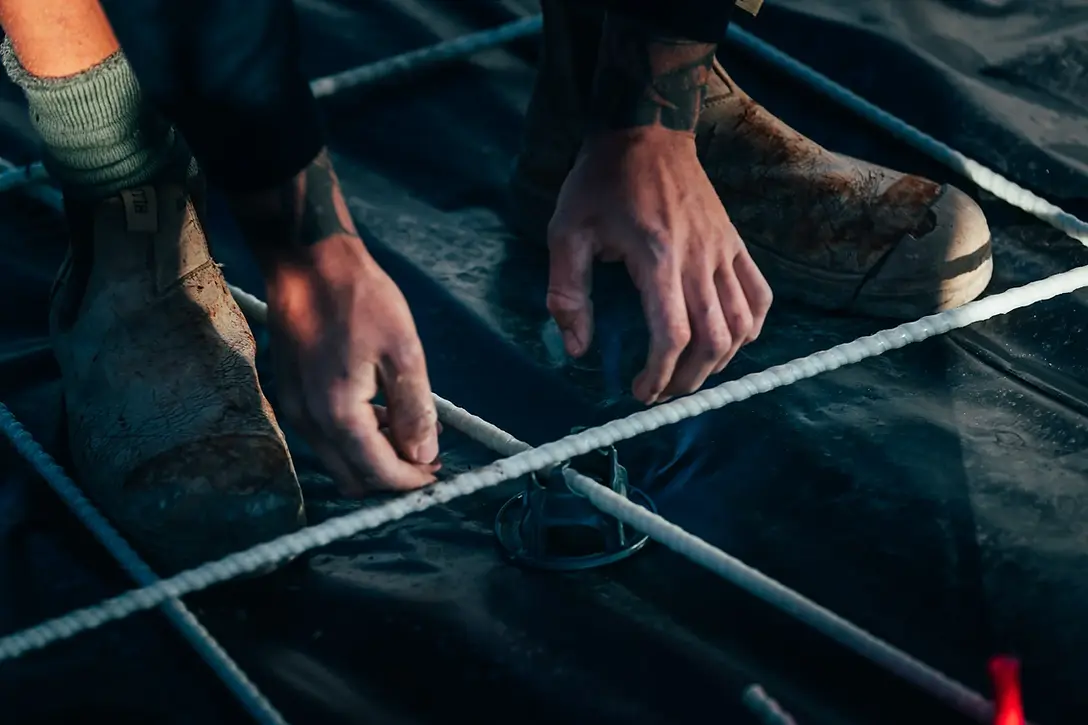
Bluebarr® GFRP rebars are approximately one-fourth the weight of steel bars. This lightweight nature simplifies transportation, handling, and installation, potentially reducing labour costs and construction time.
The Bluebarr® Advantage
Taking into account the long-term benefits of Bluebarr GFRP rebar, it is a more cost-effective product when compared with epoxy-coated or traditional steel rebar.

Suitable for high value sensitive projects.
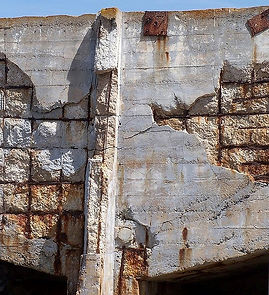
Increased Concrete Lifetime Reduced Corrosion

Reduced Labour Costs and Increased Productivity
Traditional Steel rebar is a great conductor of heat and electricity. In some applications, this can be a disadvantage as it can contribute to thermal bridging and electrical conductivity issues.
Bluebarr® GFRP bars are poor conductors of heat and electricity, providing thermal insulation and reducing the risk of electrical interference. This makes them suitable for use in structures where thermal efficiency and electrical isolation are important.
These projects include Hospitals, Military Installations, Data Centers and IT manufacturing facilities.
Steel rebar is prone to corrosion, especially in environments with high moisture, salt or chemicals. Corrosion is the No. 1 reason for concrete structural failure, necessitating costly repairs and maintenance. Bluebarr® GFRP bars are non-corrosive, this property significantly enhances the longevity and durability of the reinforced concrete.
Structures built with traditional black steel generally need some rehabilitation in as little as 5 to 10 years and frequently need major rehabilitation within 20 years. While reinforced Bluebarr® GFRP concrete structures will last longer than 100 years.
Bluebarr® GFRP rebars are approximately a quarter the weight of traditional steel rebars. This lightweight nature simplifies transportation, handling, and installation.
Reduced labour costs and construction times are possible when using Bluebarr® GFRP rebar products V's traditional steel rebar.
Another bonus is that traditional steel rebar gets very hot to handle in the Australian climate making it difficult to handle whereas
Bluebarr® GFRP rebar does not conduct heat making it an easier to handle product in a hot climate.
Bluebarr® - True blue
Bluebarr® is an Australian manufacturer and distributor of GFRP construction products that are designed to meet all Australian Standards and Regulations.
Make Bluebarr® your reinforcing rebar of choice for your next project.